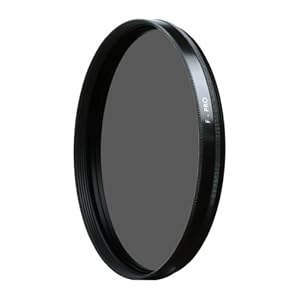
B+W 72mm Kaesemann Circular Polarizer with Multi-Resistant Coating

Sunday, March 25, 2012

Are you looking for B+W 72mm Kaesemann Circular Polarizer with Multi-Resistant Coating ? you comes at the right place because we provide some information about it. You can get special discount for B+W 72mm Kaesemann Circular Polarizer with Multi-Resistant Coating.You can choose to buy a product and B+W 72mm Kaesemann Circular Polarizer with Multi-Resistant Coating at the Best Price Online with Secure Transaction Here...


other Customer Rating:

$143.50

Read more details

Käsemann Circular Polarizers - The Best Quality Polarizer Available


The images for the left was taken with no filter.
The image about the right was taken using a
B+W Circular Polarizer. Click for larger view.

The images for the left was taken without the filter.
The image around the right was taken using a
B+W Circular Polarizer. Click for larger view.
Circular polarizing filters are designed for all cameras with beam splitters inside the light paths with their TTL exposure meter with autofocus lenses. Circular polarization has a similar pictorial effect as linear polarization, but allows for proper exposure metering and/or autofocus distance settings.

Käsemann polarizing foils are neutral in color, use a higher efficiency than conventional polarizing foils, and therefore are cemented between high-grade plano-parallel optical glass, employing a special cementing technique that resists delamination in humid climates. The resulting sandwich is then precision-polished again to accomplish highly accurate plano-parallel surfaces. Discriminating photographers regard the B+W Käsemann Polarizer as the very best polarizer for the market. They are well suited for applications which need the greatest possible imaging quality, particularly with high-speed telephoto lenses and apochromatic lenses.

B+W Polarizers increase color saturation minimizing reflections. The filter factor varies as outlined by how a filter is positioned in relation towards the sun. Exposure compensation is about two f-stops.

Why Use a Circular Polarizer?

Modern DSLR cameras have a beam-splitting prism that sends part from the incoming light on the meter and part on the viewfinder. The effect is the lighting entering the meter is partially polarized through the beam-splitter. A linear polarizer placed on the lens of a real system will act like a second polarizer and block light on the meter by a degree dependent around the angle between the prism and also the polarizer around the lens. The effect is incorrect exposure/aperture values in the meter. That's why you will need a circular polarizer by using these cameras. The circular polarizer circumvents this issue with the addition of of a 1/4-wave retarder, or delay foil. This ensures that the linearly polarized light is changed into a rotation that appears unpolarized to the meter, leading to proper exposure/aperture readings.

MRC - A Particular Scratch-Resistant, Water and Dirt Repelling Coating
The left 50 % of this filter has a
traditional coating. The right half
has MRC coating.
The lens components of high-quality lenses and the plano surfaces of filters require the perfect shape and smoothness to achieve the best optical quality. Dirt, greasy fingerprints, water marks and scratches lessen the image contrast and also the sharpness, which could bring about blooming at light sources and come with an effect comparable to a soft-focus lens. A clean front lens element and clean filter surfaces are therefore an absolute pre-requisite for demanding photographers.
MRC coating causes water
to bead up and slide right off.
The MRC coating is first and foremost a broadband anti-reflection coating. This means the reason is reflection-reducing effect, which can be thus also a transmission-increasing effect, i.e. one which suppresses scattered light and ghost images and transmits more light, has a broadband action on the full spectrum. In contrast, the (almost always blue) single-layer coating only features a high effect within the medium wavelength range around yellow and yellow-green the place that the eye is most sensitive to light, while its effect is reduced toward the blue-violet and purple-red end regions with the visible spectrum. With the MRC coating, this blue, violet and red to deep-red light cannot produce any contrast reducing scattered light, spotty reflections or ghost images. A broadband effect are only able to be practiced using a multilayer coating which takes a much higher effort and precision because unevenness and irregularities with the individual layers build high on each other and amplify one another. Schneider therefore utilizes a plasma-assisted evaporation coating process where inert gas ions accelerated in an electrical field compact the material deposited around the lens surface inside the vacuum chamber.

For photographers, the key advantage of MRC coating, is it's power to combat flare and ghosting. An added benefit is that their filters remain clear of dirt longer, to ensure they actually do not have access to to become cleaned so often. When cleansing the filter does become necessary, it is often a lot simpler to wipe off the dirt using a blower brush, because of MRC's power to repel dirt and moisture. This decreases the chance of micro-scratches which can occur during cleaning.


Side take a peek at F-Pro Rotating
Mount. Click for larger view.
F-Pro Brass Filter Mount

This filter runs on the rotating B+W F-Pro filter mount for added creative options. The mount includes a front accessory thread and is also made of brass. Compared on the earlier standard mount, the F-Pro mount, introduced in 2001, has become thinner. Now it can be utilized with wide angle lenses, including most 24mm focal lengths on the full frame body, without vignetting. An additional advantage with the F-Pro mount is its modified retaining ring, that is no more threaded in through the front, but props up filter glass set up from the back. When removing a filter or lens hood which has been screwed on too tight for the filter, the retaining ring is not at an increased risk of loosening.
Circular polarizing filters are designed for all cameras with beam splitters inside light paths with their TTL exposure meter sufficient reason for autofocus lenses. Circular polarization has exactly the same pictorial effect as linear polarization, but allows for proper exposure metering and/or autofocus distance settings. The "high-end" polarizing foils in the Käsemann-type filters are neutral in color, they have a very higher efficiency than conventional polarizing foils and they are cemented between high-grade plane-parallel optical glass. The resulting sandwich is then precision-polished again to attain highly accurate plane-parallel surfaces. Subsequently they may be edge-sealed to safeguard the foil against humidity. Discriminating photographers regard the B+W Käsemann-Type Polarizing Filter to get the top of polarizing filters. They are very suited to applications which need the best possible imaging quality, especially with high-speed telephoto lenses and apochromatic lenses.


This filter uses our standard B+W F-Pro filter mount, which has a front accessory thread and is made of brass.
MRC by B+W is not only an extraordinarily effective multiple layer coating, it is also harder than glass, so that it protects filters from scratches, and it is also water and dirt repellent, thus facilitating filter maintenance.
Manufactured from Water-White Schott Glass


B+W 82mm Slim-Line Kaesemann Circular Polarizer with Multi-Resistant Coating review


Are you looking for B+W 82mm Slim-Line Kaesemann Circular Polarizer with Multi-Resistant Coating ? you comes at the right place because we provide some information about it. You can get special discount for B+W 82mm Slim-Line Kaesemann Circular Polarizer with Multi-Resistant Coating.You can choose to buy a product and B+W 82mm Slim-Line Kaesemann Circular Polarizer with Multi-Resistant Coating at the Best Price Online with Secure Transaction Here...


other Customer Rating:

B0002O73AY

Read more details

Käsemann Circular Polarizers - The Greatest Quality Polarizer Available


The images for the left was taken with no filter.
The image on the right was taken using a
B+W Circular Polarizer. Click for larger view.

The images for the left was taken without the filter.
The image around the right was taken using a
B+W Circular Polarizer. Click for larger view.
Circular polarizing filters are designed for all cameras with beam splitters in the light paths of the TTL exposure meter along with autofocus lenses. Circular polarization has the same pictorial effect as linear polarization, but enables proper exposure metering and/or autofocus distance settings.

Käsemann polarizing foils are neutral in color, possess a higher efficiency than conventional polarizing foils, and so are cemented between high-grade plano-parallel optical glass, utilizing a special cementing technique that resists delamination in humid climates. The resulting sandwich is then precision-polished again to accomplish highly accurate plano-parallel surfaces. Discriminating photographers regard the B+W Käsemann Polarizer as the most effective polarizer around the market. They are very well fitted to applications which need the highest possible imaging quality, particularly with high-speed telephoto lenses and apochromatic lenses.

B+W Polarizers increase color saturation and reduce reflections. The filter factor varies in accordance with how the filter is positioned in relation towards the sun. Exposure compensation is about two f-stops.

Why Use a Circular Polarizer?

Modern DSLR cameras use a beam-splitting prism that sends part with the incoming light on the meter and part on the viewfinder. The effect is the light entering the meter is partially polarized from the beam-splitter. A linear polarizer placed about the lens of such a system will act being a second polarizer and block light for the meter with a degree dependent for the angle relating to the prism and also the polarizer around the lens. The effect is incorrect exposure/aperture values from your meter. This is exactly why you need a circular polarizer with your cameras. The circular polarizer circumvents this issue with the help of of the 1/4-wave retarder, or delay foil. This ensures the linearly polarized light is changed right into a rotation that appears unpolarized on the meter, causing proper exposure/aperture readings.

MRC - A Particular Scratch-Resistant, Water and Dirt Repelling Coating
The left half of this filter has a
traditional coating. The right half
has MRC coating.
The lens elements of high-quality lenses and also the plano surfaces of filters require a perfect shape and smoothness to attain the best optical quality. Dirt, greasy fingerprints, water marks and scratches lessen the image contrast as well as the sharpness, which may result in blooming at light sources and provide an effect much like a soft-focus lens. A clean front lens element and clean filter surfaces are therefore an absolute pre-requisite for demanding photographers.
MRC coating causes water
to bead up and slide right off.
The MRC coating is first and foremost a broadband anti-reflection coating. This means the reason is reflection-reducing effect, that is thus another transmission-increasing effect, i.e. one which suppresses scattered light and ghost images and transmits more light, includes a broadband action over the full spectrum. In contrast, the (almost always blue) single-layer coating only features a high effect inside medium wavelength range around yellow and yellow-green the place that the eye is most sensitive to light, while its effect is reduced toward the blue-violet and purple-red end regions of the visible spectrum. With the MRC coating, this blue, violet and red to deep-red light cannot produce any contrast reducing scattered light, spotty reflections or ghost images. A broadband effect is only able to be performed using a multilayer coating which needs a better effort and precision because unevenness and irregularities with the individual layers build through to each other and amplify one another. Schneider therefore uses a plasma-assisted evaporation coating process through which inert gas ions accelerated in a electrical field compact the material deposited about the lens surface within the vacuum chamber.

For photographers, the primary benefit of MRC coating, is it's ability to combat flare and ghosting. An added benefit is that their filters remain without any dirt longer, to ensure that they certainly not have to get cleaned so often. When washing the filter does become necessary, it is a lot easier to wipe off of the dirt with a blower brush, as an effect of MRC's power to repel dirt and moisture. And also this decreases the likelihood of micro-scratches which can occur during cleaning.


Side look at Slim Line Rotating
Mount. Click for larger view.
Slim Line Filter Mount

This filter utilizes a rotating Slim-Line mount made from aluminum for wide angle lenses. They don't have a very front accessory thread to stop vignetting with lenses as wide as 17mm in 35mm format. Some report success with lenses as wide as 16mm. A slip on cap is supplied.

Because this can be a rotatable polarizing filter, it includes a height of 5mm.
Circular polarizing filters are made for all cameras with beam splitters in the light paths of their TTL exposure meter with autofocus lenses. Circular polarization has exactly the same pictorial effect as linear polarization, but allows for proper exposure metering and/or autofocus distance settings. The "high-end" polarizing foils with the Käsemann-type filters are neutral in color, they possess a higher efficiency than conventional polarizing foils and so they are cemented between high-grade plane-parallel optical glass. The resulting sandwich is then precision-polished again to achieve highly accurate plane-parallel surfaces. Subsequently they may be edge-sealed to protect the foil against humidity. Discriminating photographers regard the B+W Käsemann-Type Polarizing Filter to be the most effective of polarizing filters. They are well fitted to applications that need the highest possible imaging quality, especially with high-speed telephoto lenses and apochromatic lenses.


This filter uses our Slim-Line mount made of brass for wide angle lenses. They do not have a front accessory thread to avoid vignetting with lenses as wide as 17mm in 35mm format. A slip on cap is supplied with Slim filters, sizes 49mm through 82mm.
MRC by B+W is not only an extraordinarily effective multiple layer coating, it is also harder than glass, so that it protects filters from scratches, and it is also water and dirt repellent, thus facilitating filter maintenance.
Manufactured from Water-White Schott Glass


B+W 67mm Kaesemann Circular Polarizer with Multi-Resistant Coating review


Are you looking for Käsemann Circular Polarizers - The Best Quality Polarizer Available


The images for the left was taken without the filter.
The image about the right was taken using a
B+W Circular Polarizer. Click for larger view.

The images for the left was taken without any filter.
The image around the right was taken using a
B+W Circular Polarizer. Click for larger view.
Circular polarizing filters are designed for all cameras with beam splitters inside light paths of the TTL exposure meter along with autofocus lenses. Circular polarization has exactly the same pictorial effect as linear polarization, but allows for proper exposure metering and/or autofocus distance settings.

Käsemann polarizing foils are neutral in color, have a very higher efficiency than conventional polarizing foils, and are cemented between high-grade plano-parallel optical glass, utilizing a special cementing technique that resists delamination in humid climates. The resulting sandwich is then precision-polished again to achieve highly accurate plano-parallel surfaces. Discriminating photographers regard the B+W Käsemann Polarizer as the very best polarizer for the market. They are very well suited to applications which need the best possible imaging quality, especially with high-speed telephoto lenses and apochromatic lenses.

B+W Polarizers increase color saturation and lower reflections. The filter factor varies in accordance with how a filter is positioned in relation to the sun. Exposure compensation is approximately two f-stops.

Why Use a Circular Polarizer?

Modern DSLR cameras possess a beam-splitting prism that sends part from the incoming light on the meter and part for the viewfinder. The effect is the sunlight entering the meter is partially polarized through the beam-splitter. A linear polarizer placed around the lens of such a system will act being a second polarizer and block light for the meter by a degree dependent about the angle relating to the prism and the polarizer around the lens. The effect is incorrect exposure/aperture values through the meter. That's why you will need a circular polarizer with your cameras. The circular polarizer circumvents this issue with the addition of of a 1/4-wave retarder, or delay foil. This ensures that the linearly polarized light is changed into a rotation that appears unpolarized on the meter, resulting in proper exposure/aperture readings.

MRC - A Unique Scratch-Resistant, Water and Dirt Repelling Coating
The left half of this filter has a
traditional coating. The right half
has MRC coating.
The lens elements of high-quality lenses and also the plano surfaces of filters require an ideal shape and smoothness to accomplish the best optical quality. Dirt, greasy fingerprints, water marks and scratches lessen the image contrast along with the sharpness, which may bring about blooming at light sources and have an effect comparable to a soft-focus lens. A clean front lens element and clean filter surfaces are therefore an absolute pre-requisite for demanding photographers.
MRC coating causes water
to bead up and slide right off.
The MRC coating is first and foremost a broadband anti-reflection coating. What this means is that its reflection-reducing effect, which can be thus another transmission-increasing effect, i.e. one which suppresses scattered light and ghost images and transmits more light, has a broadband action over the full spectrum. In contrast, the (almost always blue) single-layer coating only features a high effect in the medium wavelength range around yellow and yellow-green the location where the eye is most understanding of light, while its effect is cut down tremendously toward the blue-violet and purple-red end regions in the visible spectrum. With the MRC coating, this blue, violet and red to deep-red light cannot produce any contrast reducing scattered light, spotty reflections or ghost images. A broadband effect are only able to be performed having a multilayer coating which takes a better effort and precision because unevenness and irregularities in the individual layers build on one another and amplify one another. Schneider therefore uses a plasma-assisted evaporation coating process in which inert gas ions accelerated in an electrical field compact the material deposited around the lens surface within the vacuum chamber.

For photographers, the principle advantage of MRC coating, is it's ability to combat flare and ghosting. An added benefit is that their filters remain free from dirt longer, to ensure they actually do not have access to to get cleaned so often. When cleaning the filter does become necessary, it can be a lot much easier to wipe off of the dirt which has a blower brush, due to MRC's power to repel dirt and moisture. And also this cuts down on the chance of micro-scratches which can occur during cleaning.


Side view of F-Pro Rotating
Mount. Click for larger view.
F-Pro Brass Filter Mount

This filter runs on the rotating B+W F-Pro filter mount for added creative options. The mount has a front accessory thread and is also made of brass. Compared to the earlier standard mount, the F-Pro mount, introduced in 2001, is becoming thinner. Now it can provide with wide angle lenses, including most 24mm focal lengths on the full frame body, without vignetting. An additional advantage in the F-Pro mount is its modified retaining ring, that is no longer threaded in in the front, but props up filter glass set up in the back. When removing a filter or lens hood which has been screwed on too tight on the filter, the retaining ring isn't at an increased risk of loosening.
Circular polarizing filters are created for all cameras with beam splitters in the light paths with their TTL exposure meter and with autofocus lenses. Circular polarization has the same pictorial effect as linear polarization, but enables proper exposure metering and/or autofocus distance settings. The "high-end" polarizing foils in the Käsemann-type filters are neutral in color, they possess a higher efficiency than conventional polarizing foils plus they are cemented between high-grade plane-parallel optical glass. The resulting sandwich is then precision-polished again to accomplish highly accurate plane-parallel surfaces. Subsequently they may be edge-sealed to protect the foil against humidity. Discriminating photographers regard the B+W Käsemann-Type Polarizing Filter to become the top coming from all polarizing filters. They are well fitted to applications that need the greatest possible imaging quality, especially with high-speed telephoto lenses and apochromatic lenses.
? you comes at the right place because we provide some information about it. You can get special discount for Käsemann Circular Polarizers - The Greatest Quality Polarizer Available


The images around the left was taken with no filter.
The image for the right was taken using a
B+W Circular Polarizer. Click for larger view.

The images around the left was taken without the filter.
The image about the right was taken using a
B+W Circular Polarizer. Click for larger view.
Circular polarizing filters are created for all cameras with beam splitters inside light paths of the TTL exposure meter sufficient reason for autofocus lenses. Circular polarization has the identical pictorial effect as linear polarization, but permits proper exposure metering and/or autofocus distance settings.

Käsemann polarizing foils are neutral in color, have a very higher efficiency than conventional polarizing foils, and therefore are cemented between high-grade plano-parallel optical glass, employing a special cementing technique that resists delamination in humid climates. The resulting sandwich is then precision-polished again to realize highly accurate plano-parallel surfaces. Discriminating photographers regard the B+W Käsemann Polarizer as the very best polarizer on the market. They are well suited to applications that need the highest possible imaging quality, especially with high-speed telephoto lenses and apochromatic lenses.

B+W Polarizers increase color saturation and reduce reflections. The filter factor varies based on how a filter is positioned in relation for the sun. Exposure compensation is approximately two f-stops.

Why Use a Circular Polarizer?

Modern DSLR cameras have a very beam-splitting prism that sends part from the incoming light to the meter and part towards the viewfinder. The effect is that the lighting entering the meter is partially polarized by the beam-splitter. A linear polarizer placed for the lens of such a system will act being a second polarizer and block light towards the meter by a degree dependent on the angle involving the prism and the polarizer about the lens. The result is incorrect exposure/aperture values from the meter. This is exactly why you'll need a circular polarizer basic cameras. The circular polarizer circumvents this problem with the help of of the 1/4-wave retarder, or delay foil. This ensures how the linearly polarized light is changed in a rotation that appears unpolarized on the meter, leading to proper exposure/aperture readings.

MRC - A Particular Scratch-Resistant, Water and Dirt Repelling Coating
The left 50 % of this filter has a
traditional coating. The right half
has MRC coating.
The lens elements of high-quality lenses and the plano surfaces of filters require the perfect shape and smoothness to accomplish the best optical quality. Dirt, greasy fingerprints, water marks and scratches decrease the image contrast along with the sharpness, which may result in blooming at light sources and provide an effect similar to a soft-focus lens. A clean front lens element and clean filter surfaces are therefore an absolute pre-requisite for demanding photographers.
MRC coating causes water
to bead up and slide right off.
The MRC coating is first and foremost a broadband anti-reflection coating. This means that its reflection-reducing effect, which can be thus additionally a transmission-increasing effect, i.e. one which suppresses scattered light and ghost images and transmits more light, features a broadband action over the full spectrum. In contrast, the (almost always blue) single-layer coating only has a high effect inside medium wavelength range around yellow and yellow-green the place that the eye is most understanding of light, while its effect is cut down tremendously toward the blue-violet and purple-red end regions from the visible spectrum. With the MRC coating, this blue, violet and red to deep-red light cannot produce any contrast reducing scattered light, spotty reflections or ghost images. A broadband effect can only be achieved which has a multilayer coating which takes a higher effort and precision because unevenness and irregularities with the individual layers build high on one another and amplify one another. Schneider therefore runs on the plasma-assisted evaporation coating process where inert gas ions accelerated in a electrical field compact the fabric deposited about the lens surface within the vacuum chamber.

For photographers, the principle benefit of MRC coating, is it's capability to combat flare and ghosting. An added benefit is always that their filters remain clear of dirt longer, so that they do not have access to to be cleaned so often. When cleansing the filter does become necessary, it is really a lot much easier to wipe off of the dirt having a blower brush, due to MRC's ability to repel dirt and moisture. This reduces the likelihood of micro-scratches which may occur during cleaning.


Side view of F-Pro Rotating
Mount. Click for larger view.
F-Pro Brass Filter Mount

This filter runs on the rotating B+W F-Pro filter mount for added creative options. The mount features a front accessory thread and it is made from brass. Compared to the earlier standard mount, the F-Pro mount, introduced in 2001, is becoming thinner. Now it might be utilized with wide angle lenses, including most 24mm focal lengths over a full frame body, without vignetting. Another advantage from the F-Pro mount is its modified retaining ring, that is no more threaded in in the front, but props up filter glass in place from your back. When removing a filter or lens hood which includes been screwed on too tight on the filter, the retaining ring is not at risk of loosening.
Circular polarizing filters are generated for all cameras with beam splitters in the light paths of the TTL exposure meter sufficient reason for autofocus lenses. Circular polarization has the same pictorial effect as linear polarization, but enables proper exposure metering and/or autofocus distance settings. The "high-end" polarizing foils from the Käsemann-type filters are neutral in color, they have a very higher efficiency than conventional polarizing foils and they are cemented between high-grade plane-parallel optical glass. The resulting sandwich is then precision-polished again to accomplish highly accurate plane-parallel surfaces. Subsequently these are edge-sealed to guard the foil against humidity. Discriminating photographers regard the B+W Käsemann-Type Polarizing Filter being the top coming from all polarizing filters. They are well fitted to applications which need the greatest possible imaging quality, especially with high-speed telephoto lenses and apochromatic lenses.
.You can choose to buy a product and Käsemann Circular Polarizers - The Best Quality Polarizer Available


The images around the left was taken with no filter.
The image on the right was taken using a
B+W Circular Polarizer. Click for larger view.

The images for the left was taken with no filter.
The image for the right was taken using a
B+W Circular Polarizer. Click for larger view.
Circular polarizing filters are made for all cameras with beam splitters inside the light paths with their TTL exposure meter with autofocus lenses. Circular polarization has the identical pictorial effect as linear polarization, but enables proper exposure metering and/or autofocus distance settings.

Käsemann polarizing foils are neutral in color, have a very higher efficiency than conventional polarizing foils, and so are cemented between high-grade plano-parallel optical glass, utilizing a special cementing technique that resists delamination in humid climates. The resulting sandwich is then precision-polished again to achieve highly accurate plano-parallel surfaces. Discriminating photographers regard the B+W Käsemann Polarizer as the most effective polarizer for the market. They are very suited to applications that need the best possible imaging quality, particularly with high-speed telephoto lenses and apochromatic lenses.

B+W Polarizers increase color saturation and lower reflections. The filter factor varies in accordance with what sort of filter is positioned in relation towards the sun. Exposure compensation is approximately two f-stops.

Why Use a Circular Polarizer?

Modern DSLR cameras have a beam-splitting prism that sends part in the incoming light to the meter and part towards the viewfinder. The effect is the actual fact that the light entering the meter is partially polarized through the beam-splitter. A linear polarizer placed about the lens of such a system will act as being a second polarizer and block light on the meter with a degree dependent around the angle between the prism and the polarizer around the lens. The result is incorrect exposure/aperture values in the meter. That is why you need a circular polarizer with such cameras. The circular polarizer circumvents this problem by adding of an 1/4-wave retarder, or delay foil. This ensures how the linearly polarized light is changed in a rotation that appears unpolarized towards the meter, causing proper exposure/aperture readings.

MRC - A Particular Scratch-Resistant, Water and Dirt Repelling Coating
The left 50 % of this filter has a
traditional coating. The right half
has MRC coating.
The lens elements of high-quality lenses and also the plano surfaces of filters require a great shape and smoothness to achieve the best optical quality. Dirt, greasy fingerprints, water marks and scratches decrease the image contrast and the sharpness, which can lead to blooming at light sources and provide an effect just like a soft-focus lens. A clean front lens element and clean filter surfaces are therefore an absolute pre-requisite for demanding photographers.
MRC coating causes water
to bead up and slide right off.
The MRC coating is first and foremost a broadband anti-reflection coating. What this means is the reason is reflection-reducing effect, which can be thus additionally a transmission-increasing effect, i.e. one which suppresses scattered light and ghost images and transmits more light, has a broadband action within the full spectrum. In contrast, the (almost always blue) single-layer coating only has a high effect inside the medium wavelength range around yellow and yellow-green the location where the eye is most responsive to light, while its effect is reduced toward the blue-violet and purple-red end regions from the visible spectrum. With the MRC coating, this blue, violet and red to deep-red light cannot produce any contrast reducing scattered light, spotty reflections or ghost images. A broadband effect is only able to be achieved using a multilayer coating which needs a greater effort and precision because unevenness and irregularities of the individual layers build through to one another and amplify one another. Schneider therefore runs on the plasma-assisted evaporation coating process through which inert gas ions accelerated in a electrical field compact the information deposited about the lens surface within the vacuum chamber.

For photographers, the principle advantage of MRC coating, is it's capability to combat flare and ghosting. An added benefit is their filters remain clear of dirt longer, in order that they are doing not have being cleaned so often. When washing the filter does become necessary, it is really a lot much easier to wipe off of the dirt having a blower brush, due to MRC's power to repel dirt and moisture. This also cuts down on the risk of micro-scratches which may occur during cleaning.


Side take a glance at F-Pro Rotating
Mount. Click for larger view.
F-Pro Brass Filter Mount

This filter uses a rotating B+W F-Pro filter mount for added creative options. The mount includes a front accessory thread and is also made from brass. Compared to the earlier standard mount, the F-Pro mount, introduced in 2001, is now thinner. Now it might be used with wide angle lenses, including most 24mm focal lengths on the full frame body, without vignetting. An additional advantage of the F-Pro mount is its modified retaining ring, which can be don't threaded in in the front, but holds the filter glass in place from your back. When removing a filter or lens hood which has been screwed on too tight for the filter, the retaining ring just isn't at an elevated risk of loosening.
Circular polarizing filters are created for all cameras with beam splitters within the light paths of these TTL exposure meter and with autofocus lenses. Circular polarization has the identical pictorial effect as linear polarization, but allows for proper exposure metering and/or autofocus distance settings. The "high-end" polarizing foils from the Käsemann-type filters are neutral in color, they have a very higher efficiency than conventional polarizing foils and they also are cemented between high-grade plane-parallel optical glass. The resulting sandwich is then precision-polished again to attain highly accurate plane-parallel surfaces. Subsequently they may be edge-sealed to guard the foil against humidity. Discriminating photographers regard the B+W Käsemann-Type Polarizing Filter to get the most effective coming from all polarizing filters. They are very well fitted to applications which need the best possible imaging quality, particularly with high-speed telephoto lenses and apochromatic lenses.
at the Best Price Online with Secure Transaction Here...


other Customer Rating:

$120.17

Read more details

Käsemann Circular Polarizers - the Highest Quality Polarizer Available


The images for the left was taken without the filter.
The image on the right was taken using a
B+W Circular Polarizer. Click for larger view.

The images about the left was taken without the filter.
The image on the right was taken using a
B+W Circular Polarizer. Click for larger view.
Circular polarizing filters are created for all cameras with beam splitters inside the light paths of the TTL exposure meter and with autofocus lenses. Circular polarization has exactly the same pictorial effect as linear polarization, but allows for proper exposure metering and/or autofocus distance settings.

Käsemann polarizing foils are neutral in color, use a higher efficiency than conventional polarizing foils, and therefore are cemented between high-grade plano-parallel optical glass, using a special cementing technique that resists delamination in humid climates. The resulting sandwich is then precision-polished again to achieve highly accurate plano-parallel surfaces. Discriminating photographers regard the B+W Käsemann Polarizer as the most effective polarizer around the market. They are very suited for applications that require the best possible imaging quality, especially with high-speed telephoto lenses and apochromatic lenses.

B+W Polarizers increase color saturation and lower reflections. The filter factor varies according to how the filter is positioned in relation on the sun. Exposure compensation is about two f-stops.

Why Use a Circular Polarizer?

Modern DSLR cameras use a beam-splitting prism that sends part in the incoming light for the meter and part on the viewfinder. The effect is that the sunlight entering the meter is partially polarized with the beam-splitter. A linear polarizer placed for the lens of this type of system will act like a second polarizer and block light on the meter by way of a degree dependent for the angle between your prism and also the polarizer around the lens. The result is incorrect exposure/aperture values from your meter. That's why you need a circular polarizer basic cameras. The circular polarizer circumvents this issue by adding of the 1/4-wave retarder, or delay foil. This ensures that the linearly polarized light is changed right into a rotation that appears unpolarized on the meter, resulting in proper exposure/aperture readings.

MRC - a Special Scratch-Resistant, Water and Dirt Repelling Coating
The left 50 % of this filter has a
traditional coating. The right half
has MRC coating.
The lens aspects of high-quality lenses as well as the plano surfaces of filters require a perfect shape and smoothness to attain the best optical quality. Dirt, greasy fingerprints, water marks and scratches decrease the image contrast as well as the sharpness, which could lead to blooming at light sources and provide an effect just like a soft-focus lens. A clean front lens element and clean filter surfaces are therefore an absolute pre-requisite for demanding photographers.
MRC coating causes water
to bead up and slide right off.
The MRC coating is first and foremost a broadband anti-reflection coating. This implies that its reflection-reducing effect, which can be thus also a transmission-increasing effect, i.e. one which suppresses scattered light and ghost images and transmits more light, includes a broadband action on the full spectrum. In contrast, the (almost always blue) single-layer coating only includes a high effect inside medium wavelength range around yellow and yellow-green the location where the eye is most understanding of light, while its effect is reduced toward the blue-violet and purple-red end regions from the visible spectrum. With the MRC coating, this blue, violet and red to deep-red light cannot produce any contrast reducing scattered light, spotty reflections or ghost images. A broadband effect is only able to be practiced having a multilayer coating which requires a greater effort and precision because unevenness and irregularities of the individual layers build through to the other person and amplify one another. Schneider therefore uses a plasma-assisted evaporation coating process through which inert gas ions accelerated in a electrical field compact the information deposited for the lens surface within the vacuum chamber.

For photographers, the principle benefit of MRC coating, is it's capability to combat flare and ghosting. An added benefit is that their filters remain clear of dirt longer, in order that they certainly not need to be cleaned so often. When washing the filter does become necessary, it can be a lot simpler to wipe over dirt using a blower brush, as a result of MRC's ability to repel dirt and moisture. This reduces the risk of micro-scratches which can occur during cleaning.


Side take a peek at F-Pro Rotating
Mount. Click for larger view.
F-Pro Brass Filter Mount

This filter utilizes a rotating B+W F-Pro filter mount for added creative options. The mount has a front accessory thread and it is manufactured from brass. Compared towards the earlier standard mount, the F-Pro mount, introduced in 2001, is now thinner. Now it can supply with wide angle lenses, including most 24mm focal lengths on a full frame body, without vignetting. An additional in the F-Pro mount is its modified retaining ring, which is no longer threaded in from your front, but props up filter glass in position through the back. When removing a filter or lens hood that has been screwed on too tight on the filter, the retaining ring isn't vulnerable of loosening.
Circular polarizing filters are created for all cameras with beam splitters inside the light paths of these TTL exposure meter with autofocus lenses. Circular polarization has exactly the same pictorial effect as linear polarization, but allows for proper exposure metering and/or autofocus distance settings. The "high-end" polarizing foils in the Käsemann-type filters are neutral in color, they have a very higher efficiency than conventional polarizing foils plus they are cemented between high-grade plane-parallel optical glass. The resulting sandwich is then precision-polished again to accomplish highly accurate plane-parallel surfaces. Subsequently these are edge-sealed to guard the foil against humidity. Discriminating photographers regard the B+W Käsemann-Type Polarizing Filter being the most effective of polarizing filters. They are very fitted to applications that need the best possible imaging quality, particularly with high-speed telephoto lenses and apochromatic lenses.


This filter uses our standard B+W F-Pro filter mount, which has a front accessory thread and is made of brass.
MRC by B+W is not only an extraordinarily effective multiple layer coating.
It is also harder than glass, so that it protects filters from scratches,
And it is also water and dirt repellent, thus facilitating filter maintenance.
Manufactured from Water-White Schott Glass
MRC by B+W is not only an extraordinarily effective multiple layer coating, it is also harder than glass,
Protects filters from scratches, and it is also water and dirt repellent, thus facilitating filter maintenance.


Mockingjay (The Final Book of The Hunger Games) [Kindle Edition]


Are you looking for Mockingjay (The Final Book of The Hunger Games) [Kindle Edition] ? you comes at the right place because we provide some information about it. You can get special discount for Mockingjay (The Final Book of The Hunger Games) [Kindle Edition].You can choose to buy a product and Mockingjay (The Final Book of The Hunger Games) [Kindle Edition] at the Best Price Online with Secure Transaction Here...


other Customer Rating:

B003XF1XOQ

Read more details

Product Description
Against all odds, Katniss Everdeen has survived the Hunger Games twice. But now that she's made out in the bloody arena alive, she's still not safe. The Capitol is angry. The Capitol wants revenge. Who will they think should pay to the unrest? Katniss. And what's worse, President Snow has managed to get clear that no one else remains safe and secure either. Not Katniss's family, not her friends, not the folks of District 12. Powerful and haunting, this thrilling final installment of Suzanne Collins's groundbreaking The Hunger Games trilogy promises being one in the most discussed books with the year.
A Q&A with Suzanne Collins, Author of Mockingjay (The Final Book of The Hunger Games)
Q: You have said from the start that The Hunger Games story was intended as a trilogy. Did it really end the way you planned it from your beginning?

A: Very much so. While I didnrrrt know every detail, of course, the arc in the story from gladiator game, to revolution, to war, to the eventual outcome remained constant through the writing process.

Q: We understand you worked about the initial screenplay for a film to get according to The Hunger Games. What may be the biggest distinction between writing a novel and writing a screenplay?

A: There were several significant differences. Time, for starters. If you are adapting a novel in a two-hour movie you simply can't take everything with you. The story has being condensed to match the brand new form. Then you have the question of how best to look at a book told inside first person and offer tense and transform it in to a satisfying dramatic experience. In the novel, you don't ever leave Katniss for any second and so are privy to all of her thoughts so you will need a strategy to dramatize her inner world and to make it feasible for other characters to exist outside her company. Finally, you have the challenge of how you can present the violence while still maintaining a PG-13 rating to ensure your core audience can view it. A great deal of situations are acceptable on a page that couldn't survive over a screen. But exactly how certain moments are depicted could eventually be within the director's hands.

Q: Are you currently in a position to consider future projects while working on The Hunger Games, or are you immersed inside the world you might be currently creating so fully who's is simply too challenging to think about new ideas?

A: I've a few seeds of ideas floating around in my head but--given that much of my focus continues to be on The Hunger Games--it is going to be awhile before one fully emerges and that i can start to develop it.

Q: The Hunger Games is an annual televised event where one boy then one girl from each in the twelve districts is made to participate inside a fight-to-the-death on live TV. What can you believe the selling point of reality television is--to both kids and adults?

A: Well, they're often set up as games and, like sporting events, there's an fascination with seeing who wins. The contestants are generally unknown, which means they are relatable. Sometimes they have very talented people performing. Then you have the voyeuristic thrill—watching people being humiliated, or taken to tears, or suffering physically--which I find very disturbing. There's also the potential for desensitizing the audience, in order that after they see real tragedy playing out on, say, the news, this doesn't happen contain the impact it should.

Q: In case you were expected to compete inside Hunger Games, so what can you imagine your skill would be?

A: Hiding. I'd be scaling those trees like Katniss and Rue. Since I had been trained in sword-fighting, I guess my best hope could be to get hold of an rapier if there were one available. But the reality is I'd probably get in relation to its a four in Training.

Q: What would you hope readers can come away with whenever they read The Hunger Games trilogy?

A: Questions about how precisely elements with the books could be relevant in their own lives. And, if they're disturbing, what they might do about them.

Q: What were some of the favorite novels when you are a teen?

A: A Tree Grows in Brooklyn by Betty Smith
The Heart Is a Lonely Hunter by Carson McCullers
Nineteen Eighty Four by George Orwell
Anna Karenina by Leo Tolstoy
Slaughterhouse-Five by Kurt Vonnegut
A Wrinkle in Time by Madeleine L’Engle
Lord of the Flies by William Golding
Boris by Jaapter Haar
Germinal by Emile Zola
Dandelion Wine by Ray Bradbury
(Photo © Cap Pryor)


Gr 7 Up–The final installment of Suzanne Collins's trilogy sets Katniss in a single more Hunger Game, but this time it is for world control. While it can be a clever twist on the original plot, this means that there is certainly less focus on the individual characters plus more on political intrigue and large scale destruction. That said, Carolyn McCormick is constantly on the breathe life in a less vibrant Katniss by displaying despair both at those she feels in charge of killing and and also at her motives and choices. This is an older, wiser, sadder, and incredibly reluctant heroine, torn between revenge and compassion. McCormick captures these conflicts by changing the pitch and pacing of Katniss's voice. Katniss is both a pawn in the rebels and the victim of President Snow, who uses Peeta to make an effort to control Katniss. Peeta's struggles are very well evidenced in his voice, which goes from rage to puzzlement for an unsure resume sweetness. McCormick also helps to make the secondary characters—some malevolent, others benevolent, and many confused—very real with distinct voices and agendas/concerns. She acts just like an outside chronicler in giving listeners just “the facts” but also respects the individuality and different challenges of each one in the main characters. A successful completion of the monumental series.–Edith Ching, University of Maryland, College Parkα(c) Copyright 2010. Library Journals LLC, a wholly owned subsidiary of Media Source, Inc. No redistribution permitted.


B+W 72mm XS-Pro Kaesemann Circular Polarizer with Multi-Resistant Nano Coating price


Are you looking for B+W 72mm XS-Pro Kaesemann Circular Polarizer with Multi-Resistant Nano Coating ? you comes at the right place because we provide some information about it. You can get special discount for B+W 72mm XS-Pro Kaesemann Circular Polarizer with Multi-Resistant Nano Coating.You can choose to buy a product and B+W 72mm XS-Pro Kaesemann Circular Polarizer with Multi-Resistant Nano Coating at the Best Price Online with Secure Transaction Here...


other Customer Rating:

B003ZTVDIQ

Read more details

Käsemann Circular Polarizers - the Highest Quality Polarizer Available


The images on the left was taken without filter.
The image about the right was taken using a
B+W Circular Polarizer. Click for larger view.

The images for the left was taken without any filter.
The image about the right was taken using a
B+W Circular Polarizer. Click for larger view.
Circular polarizing filters are generated for all cameras with beam splitters inside the light paths of their TTL exposure meter sufficient reason for autofocus lenses. Circular polarization has the identical pictorial effect as linear polarization, but permits proper exposure metering and/or autofocus distance settings.

Käsemann polarizing foils are neutral in color, have a higher efficiency than conventional polarizing foils, and so are cemented between high-grade plano-parallel optical glass, utilizing a special cementing technique that resists delamination in humid climates. The resulting sandwich is then precision-polished again to realize highly accurate plano-parallel surfaces. Discriminating photographers regard the B+W Käsemann Polarizer as the very best polarizer around the market. They are very well fitted to applications which need the greatest possible imaging quality, particularly with high-speed telephoto lenses and apochromatic lenses.

B+W Polarizers increase color saturation minimizing reflections. The filter factor varies in accordance with how a filter is positioned in relation towards the sun. Exposure compensation is approximately two f-stops.

Why Use a Circular Polarizer?

Modern DSLR cameras use a beam-splitting prism that sends part with the incoming light on the meter and part on the viewfinder. The effect is the fact that the sunshine entering the meter is partially polarized with the beam-splitter. A linear polarizer placed about the lens of this kind of system will act like a second polarizer and block light towards the meter with a degree dependent for the angle relating to the prism as well as the polarizer on the lens. The result is incorrect exposure/aperture values from the meter. This is exactly why you need a circular polarizer basic cameras. The circular polarizer circumvents this issue with the help of of the 1/4-wave retarder, or delay foil. This ensures how the linearly polarized light is changed into a rotation that appears unpolarized to the meter, causing proper exposure/aperture readings.

B+W's Superior MRC Coating with Nano Technology
 
Illustration of lotus effect on water
droplet due to nano coating.
The nano coating is an surface of protection that comes standard wonderful XS-Pro Digital MRC filters. The nanotechnology based characteristic (lotus effect) produces an improved beading effect with water, making the cleaning with this filter even simpler and faster than in the past before. MRC nano posseses an improved outer (8th) layer over regular MRC.

The lens aspects of high-quality lenses along with the plano surfaces of filters require the perfect shape and smoothness to achieve the best optical quality. Dirt, greasy fingerprints, water marks and scratches reduce the image contrast along with the sharpness, which may lead to blooming at light sources and have an effect similar to a soft-focus lens. A clean front lens element and clean filter surfaces are therefore an absolute pre-requisite for demanding photographers.
The nano coating brings about lotus impact on water droplet.
The MRC coating is first and foremost a broadband anti-reflection coating. This implies what has reflection-reducing effect, which is thus additionally a transmission-increasing effect, i.e. one which suppresses scattered light and ghost images and transmits more light, has a broadband action over the full spectrum. In contrast, the (almost always blue) single-layer coating only features a high effect within the medium wavelength range around yellow and yellow-green in which the eye is most understanding of light, while its effect is greatly reduced toward the blue-violet and purple-red end regions of the visible spectrum. With the MRC coating, this blue, violet and red to deep-red light cannot produce any contrast reducing scattered light, spotty reflections or ghost images. A broadband effect are only able to be practiced with a multilayer coating which needs a greater effort and precision because unevenness and irregularities in the individual layers build high on one another and amplify one another. Schneider therefore uses a plasma-assisted evaporation coating process by which inert gas ions accelerated within an electrical field compact the information deposited on the lens surface inside vacuum chamber.
For photographers, the primary good thing about MRC coating, is it's capability to combat flare and ghosting. An added benefit is their filters remain free of dirt longer, so that they certainly not have access to to be cleaned so often. When washing the filter does become necessary, it can be a lot better to wipe over dirt using a blower brush, as an effect of MRC's capability to repel dirt and moisture. This decreases the probability of micro-scratches which could occur during cleaning.

XS-Pro Digital Filter Mount

This filter uses our rotating XS-Pro Digital mount that is especially suited for DSLRs with wide angle and zoom lenses. It includes a front thread for additional accessories such as lens caps or hoods. All XS-Pro Digital mounts are made of brass and are matte black to prevent reflections.
Circular polarizing filters are generated for all cameras with beam splitters within the light paths of the TTL exposure meter and with autofocus lenses. Circular polarization has exactly the same pictorial effect as linear polarization, but allows for proper exposure metering and/or autofocus distance settings. The "high-end" polarizing foils of the Käsemann-type filters are neutral in color, they have a very higher efficiency than conventional polarizing foils and they are cemented between high-grade plane-parallel optical glass. The resulting sandwich is then precision-polished again to achieve highly accurate plane-parallel surfaces. Subsequently they're edge-sealed to guard the foil against humidity. Discriminating photographers regard the B+W Käsemann-Type Polarizing Filter to get the most effective coming from all polarizing filters. They are very well suited to applications that need the best possible imaging quality, especially with high-speed telephoto lenses and apochromatic lenses.


This filter uses our XS-Pro Digital mount which is especially suited for DSLRs with wide angle and zoom lenses. It has a front thread for additional accessories. All XS-Pro Digital mounts are made of brass and are matte black to prevent reflections.
MRC nano has an improved outer (8th) layer over regular MRC. The nanotechnology based characteristic (lotus effect) produces a better beading effect with water making the cleaning of this filter even simpler and faster than ever before.
Manufactured from Water-White Schott Glass


B + W 46mm Kaesemann Circular Polarizer Multi-Coated Glass Filter review


Are you looking for Käsemann Circular Polarizers - the Highest Quality Polarizer Available


The images for the left was taken without any filter.
The image on the right was taken using a
B+W Circular Polarizer. Click for larger view.

The images on the left was taken without any filter.
The image about the right was taken using a
B+W Circular Polarizer. Click for larger view.
Circular polarizing filters are designed for all cameras with beam splitters within the light paths of these TTL exposure meter sufficient reason for autofocus lenses. Circular polarization has a similar pictorial effect as linear polarization, but enables proper exposure metering and/or autofocus distance settings.

Käsemann polarizing foils are neutral in color, possess a higher efficiency than conventional polarizing foils, and so are cemented between high-grade plano-parallel optical glass, employing a special cementing technique that resists delamination in humid climates. The resulting sandwich is then precision-polished again to realize highly accurate plano-parallel surfaces. Discriminating photographers regard the B+W Käsemann Polarizer as the very best polarizer about the market. They are very suited for applications which need the highest possible imaging quality, especially with high-speed telephoto lenses and apochromatic lenses.

B+W Polarizers increase color saturation minimizing reflections. The filter factor varies based on what sort of filter is positioned in relation for the sun. Exposure compensation is about two f-stops.

Why Use a Circular Polarizer?

Modern DSLR cameras possess a beam-splitting prism that sends part from the incoming light on the meter and part on the viewfinder. The effect is always that the sunlight entering the meter is partially polarized from the beam-splitter. A linear polarizer placed about the lens of a real system will act like a second polarizer and block light on the meter by strategy for a degree dependent on the angle between the prism and the polarizer on the lens. The end result is incorrect exposure/aperture values through the meter. That's why you need a circular polarizer basic cameras. The circular polarizer circumvents this problem with the addition of of your 1/4-wave retarder, or delay foil. This ensures the linearly polarized light is changed into a rotation that appears unpolarized for the meter, leading to proper exposure/aperture readings.

MRC - a Special Scratch-Resistant, Water and Dirt Repelling Coating
The left 1 / 2 of this filter has a
traditional coating. The right half
has MRC coating.
The lens aspects of high-quality lenses and the plano surfaces of filters require a perfect shape and smoothness to achieve the best optical quality. Dirt, greasy fingerprints, water marks and scratches decrease the image contrast and the sharpness, which may bring about blooming at light sources and provide an effect just like a soft-focus lens. A clean front lens element and clean filter surfaces are therefore an absolute pre-requisite for demanding photographers.
MRC coating causes water
to bead up and slide right off.
The MRC coating is first and foremost a broadband anti-reflection coating. This means that it is reflection-reducing effect, which is thus another transmission-increasing effect, i.e. one which suppresses scattered light and ghost images and transmits more light, features a broadband action in the full spectrum. In contrast, the (almost always blue) single-layer coating only features a high effect inside the medium wavelength range around yellow and yellow-green where the eye is most understanding of light, while its effect is reduced toward the blue-violet and purple-red end regions with the visible spectrum. With the MRC coating, this blue, violet and red to deep-red light cannot produce any contrast reducing scattered light, spotty reflections or ghost images. A broadband effect are only able to be performed having a multilayer coating which requires a better effort and precision because unevenness and irregularities of the individual layers build through to the other person and amplify one another. Schneider therefore uses a plasma-assisted evaporation coating process through which inert gas ions accelerated within an electrical field compact the fabric deposited about the lens surface inside the vacuum chamber.

For photographers, the key advantage of MRC coating, is it's ability to combat flare and ghosting. An added benefit is the actual fact that their filters remain free from dirt longer, in order that they do not need being cleaned so often. When washing the filter does become necessary, it is a lot much easier to wipe over dirt using a blower brush, because of MRC's power to repel dirt and moisture. This reduces the probability of micro-scratches which may occur during cleaning.


Side view of F-Pro Rotating
Mount. Click for larger view.
F-Pro Brass Filter Mount

This filter runs on the rotating B+W F-Pro filter mount for added creative options. The mount features a front accessory thread and is also made of brass. Compared for the earlier standard mount, the F-Pro mount, introduced in 2001, is becoming thinner. Now it might supply with wide angle lenses, including most 24mm focal lengths on the full frame body, without vignetting. An additional advantage from the F-Pro mount is its modified retaining ring, which is don't threaded in from the front, but props up filter glass in position from the back. When removing a filter or lens hood which has been screwed on too tight on the filter, the retaining ring isn't in danger of loosening.
Circular polarizing filters are generated for all cameras with beam splitters inside light paths of their TTL exposure meter with autofocus lenses. Circular polarization has exactly the same pictorial effect as linear polarization, but permits proper exposure metering and/or autofocus distance settings. The "high-end" polarizing foils from the Käsemann-type filters are neutral in color, they have a higher efficiency than conventional polarizing foils plus they are cemented between high-grade plane-parallel optical glass. The resulting sandwich is then precision-polished again to attain highly accurate plane-parallel surfaces. Subsequently they may be edge-sealed to guard the foil against humidity. Discriminating photographers regard the B+W Käsemann-Type Polarizing Filter to be the top of polarizing filters. They are very well fitted to applications that need the highest possible imaging quality, especially with high-speed telephoto lenses and apochromatic lenses.
? you comes at the right place because we provide some information about it. You can get special discount for Käsemann Circular Polarizers - the Highest Quality Polarizer Available


The images around the left was taken without the filter.
The image about the right was taken using a
B+W Circular Polarizer. Click for larger view.

The images about the left was taken without filter.
The image about the right was taken using a
B+W Circular Polarizer. Click for larger view.
Circular polarizing filters are created for all cameras with beam splitters within the light paths of the TTL exposure meter along with autofocus lenses. Circular polarization has the same pictorial effect as linear polarization, but allows for proper exposure metering and/or autofocus distance settings.

Käsemann polarizing foils are neutral in color, use a higher efficiency than conventional polarizing foils, and so are cemented between high-grade plano-parallel optical glass, employing a special cementing technique that resists delamination in humid climates. The resulting sandwich is then precision-polished again to attain highly accurate plano-parallel surfaces. Discriminating photographers regard the B+W Käsemann Polarizer as the top polarizer around the market. They are very well suited to applications that need the best possible imaging quality, particularly with high-speed telephoto lenses and apochromatic lenses.

B+W Polarizers increase color saturation minimizing reflections. The filter factor varies according to what sort of filter is positioned in relation to the sun. Exposure compensation is all about two f-stops.

Why Use a Circular Polarizer?

Modern DSLR cameras have a beam-splitting prism that sends part from the incoming light to the meter and part for the viewfinder. The effect is the sunlight entering the meter is partially polarized through the beam-splitter. A linear polarizer placed around the lens of this kind of system will act being a second polarizer and block light towards the meter by method of a degree dependent for the angle involving the prism and the polarizer about the lens. The effect is incorrect exposure/aperture values from your meter. This is exactly why you may need a circular polarizer with your cameras. The circular polarizer circumvents this challenge with the help of of a 1/4-wave retarder, or delay foil. This ensures how the linearly polarized light is changed in to a rotation that appears unpolarized for the meter, resulting in proper exposure/aperture readings.

MRC - a Special Scratch-Resistant, Water and Dirt Repelling Coating
The left half this filter has a
traditional coating. The right half
has MRC coating.
The lens aspects of high-quality lenses and the plano surfaces of filters require an ideal shape and smoothness to realize the best optical quality. Dirt, greasy fingerprints, water marks and scratches reduce the image contrast along with the sharpness, which could result in blooming at light sources and provide an effect just like a soft-focus lens. A clean front lens element and clean filter surfaces are therefore an absolute pre-requisite for demanding photographers.
MRC coating causes water
to bead up and slide right off.
The MRC coating is first and foremost a broadband anti-reflection coating. What this means is what has reflection-reducing effect, which can be thus also a transmission-increasing effect, i.e. one which suppresses scattered light and ghost images and transmits more light, has a broadband action over the full spectrum. In contrast, the (almost always blue) single-layer coating only features a high effect inside the medium wavelength range around yellow and yellow-green the place that the eye is most understanding of light, while its effect is greatly reduced toward the blue-violet and purple-red end regions with the visible spectrum. With the MRC coating, this blue, violet and red to deep-red light cannot produce any contrast reducing scattered light, spotty reflections or ghost images. A broadband effect are only able to be achieved with a multilayer coating which requires a greater effort and precision because unevenness and irregularities in the individual layers build up on the other person and amplify one another. Schneider therefore uses a plasma-assisted evaporation coating process in which inert gas ions accelerated in an electrical field compact the information deposited around the lens surface within the vacuum chamber.

For photographers, the principle good thing about MRC coating, is it's capability to combat flare and ghosting. An added benefit is the fact that their filters remain free of dirt longer, to ensure that they certainly donrrrt you have to become cleaned so often. When cleansing the filter does become necessary, it is a lot simpler to wipe off the dirt using a blower brush, due to MRC's ability to repel dirt and moisture. This reduces the probability of micro-scratches which could occur during cleaning.


Side look at F-Pro Rotating
Mount. Click for larger view.
F-Pro Brass Filter Mount

This filter uses a rotating B+W F-Pro filter mount for added creative options. The mount features a front accessory thread and is also made of brass. Compared for the earlier standard mount, the F-Pro mount, introduced in 2001, has become thinner. Now it might be utilized with wide angle lenses, including most 24mm focal lengths on the full frame body, without vignetting. An additional of the F-Pro mount is its modified retaining ring, which can be don't threaded in from the front, but props up filter glass in place through the back. When removing a filter or lens hood which includes been screwed on too tight on the filter, the retaining ring just isn't at risk of loosening.
Circular polarizing filters are created for all cameras with beam splitters within the light paths of their TTL exposure meter with autofocus lenses. Circular polarization has a similar pictorial effect as linear polarization, but enables proper exposure metering and/or autofocus distance settings. The "high-end" polarizing foils of the Käsemann-type filters are neutral in color, they possess a higher efficiency than conventional polarizing foils and they also are cemented between high-grade plane-parallel optical glass. The resulting sandwich is then precision-polished again to realize highly accurate plane-parallel surfaces. Subsequently they are edge-sealed to guard the foil against humidity. Discriminating photographers regard the B+W Käsemann-Type Polarizing Filter being the top of all polarizing filters. They are very well fitted to applications that need the highest possible imaging quality, particularly with high-speed telephoto lenses and apochromatic lenses.
.You can choose to buy a product and Käsemann Circular Polarizers - The Greatest Quality Polarizer Available


The images on the left was taken with no filter.
The image on the right was taken using a
B+W Circular Polarizer. Click for larger view.

The images around the left was taken with no filter.
The image about the right was taken using a
B+W Circular Polarizer. Click for larger view.
Circular polarizing filters are made for all cameras with beam splitters inside light paths of the TTL exposure meter with autofocus lenses. Circular polarization has a similar pictorial effect as linear polarization, but permits proper exposure metering and/or autofocus distance settings.

Käsemann polarizing foils are neutral in color, have a very higher efficiency than conventional polarizing foils, and therefore are cemented between high-grade plano-parallel optical glass, utilizing a special cementing technique that resists delamination in humid climates. The resulting sandwich is then precision-polished again to realize highly accurate plano-parallel surfaces. Discriminating photographers regard the B+W Käsemann Polarizer as the top polarizer for the market. They are very fitted to applications that require the greatest possible imaging quality, especially with high-speed telephoto lenses and apochromatic lenses.

B+W Polarizers increase color saturation and reduce reflections. The filter factor varies based on how the filter is positioned in relation towards the sun. Exposure compensation is approximately two f-stops.

Why Use a Circular Polarizer?

Modern DSLR cameras use a beam-splitting prism that sends part of the incoming light towards the meter and part for the viewfinder. The effect is always that the sunshine entering the meter is partially polarized from the beam-splitter. A linear polarizer placed on the lens of such a system will act as being a second polarizer and block light for the meter by the degree dependent for the angle between your prism and also the polarizer about the lens. The result is incorrect exposure/aperture values through the meter. That is why you need a circular polarizer by using these cameras. The circular polarizer circumvents this challenge with the help of of the 1/4-wave retarder, or delay foil. This ensures the linearly polarized light is changed into a rotation that appears unpolarized towards the meter, leading to proper exposure/aperture readings.

MRC - A Particular Scratch-Resistant, Water and Dirt Repelling Coating
The left half of this filter has a
traditional coating. The right half
has MRC coating.
The lens elements of high-quality lenses and also the plano surfaces of filters require a perfect shape and smoothness to attain the best optical quality. Dirt, greasy fingerprints, water marks and scratches reduce the image contrast and also the sharpness, which can result in blooming at light sources and provide an effect just like a soft-focus lens. A clean front lens element and clean filter surfaces are therefore an absolute pre-requisite for demanding photographers.
MRC coating causes water
to bead up and slide right off.
The MRC coating is first and foremost a broadband anti-reflection coating. This means that it is reflection-reducing effect, that is thus also a transmission-increasing effect, i.e. one which suppresses scattered light and ghost images and transmits more light, includes a broadband action on the full spectrum. In contrast, the (almost always blue) single-layer coating only features a high effect inside medium wavelength range around yellow and yellow-green where the eye is most understanding of light, while its effect is cut down tremendously toward the blue-violet and purple-red end regions from the visible spectrum. With the MRC coating, this blue, violet and red to deep-red light cannot produce any contrast reducing scattered light, spotty reflections or ghost images. A broadband effect can only be performed with a multilayer coating which needs a much higher effort and precision because unevenness and irregularities in the individual layers build on the other person and amplify one another. Schneider therefore uses a plasma-assisted evaporation coating process through which inert gas ions accelerated in an electrical field compact the material deposited about the lens surface within the vacuum chamber.

For photographers, the principle benefit of MRC coating, is it's ability to combat flare and ghosting. An added benefit is always that their filters remain free from dirt longer, to ensure they do not have access to to get cleaned so often. When cleaning the filter does become necessary, it is a lot much easier to wipe off the dirt using a blower brush, as a result of MRC's capability to repel dirt and moisture. This reduces the risk of micro-scratches which may occur during cleaning.


Side look at F-Pro Rotating
Mount. Click for larger view.
F-Pro Brass Filter Mount

This filter runs on the rotating B+W F-Pro filter mount for added creative options. The mount has a front accessory thread and it is made from brass. Compared to the earlier standard mount, the F-Pro mount, introduced in 2001, is now thinner. Now it might be utilized with wide angle lenses, including most 24mm focal lengths on a full frame body, without vignetting. An additional from the F-Pro mount is its modified retaining ring, that is no longer threaded in through the front, but holds the filter glass set up in the back. When removing a filter or lens hood which has been screwed on too tight to the filter, the retaining ring is not at an elevated risk of loosening.
Circular polarizing filters are designed for all cameras with beam splitters inside light paths of these TTL exposure meter with autofocus lenses. Circular polarization has a similar pictorial effect as linear polarization, but enables proper exposure metering and/or autofocus distance settings. The "high-end" polarizing foils with the Käsemann-type filters are neutral in color, they use a higher efficiency than conventional polarizing foils and so they are cemented between high-grade plane-parallel optical glass. The resulting sandwich is then precision-polished again to achieve highly accurate plane-parallel surfaces. Subsequently they are edge-sealed to guard the foil against humidity. Discriminating photographers regard the B+W Käsemann-Type Polarizing Filter to be the very best of polarizing filters. They are very well suited to applications that need the best possible imaging quality, especially with high-speed telephoto lenses and apochromatic lenses.
at the Best Price Online with Secure Transaction Here...


other Customer Rating:

$89.00

Read more details

Käsemann Circular Polarizers - The Best Quality Polarizer Available


The images about the left was taken without filter.
The image about the right was taken using a
B+W Circular Polarizer. Click for larger view.

The images on the left was taken without filter.
The image for the right was taken using a
B+W Circular Polarizer. Click for larger view.
Circular polarizing filters are generated for all cameras with beam splitters inside the light paths of their TTL exposure meter along with autofocus lenses. Circular polarization has a similar pictorial effect as linear polarization, but permits proper exposure metering and/or autofocus distance settings.

Käsemann polarizing foils are neutral in color, possess a higher efficiency than conventional polarizing foils, and are cemented between high-grade plano-parallel optical glass, using a special cementing technique that resists delamination in humid climates. The resulting sandwich is then precision-polished again to accomplish highly accurate plano-parallel surfaces. Discriminating photographers regard the B+W Käsemann Polarizer as the top polarizer on the market. They are well suited for applications which need the greatest possible imaging quality, especially with high-speed telephoto lenses and apochromatic lenses.

B+W Polarizers increase color saturation and lower reflections. The filter factor varies as outlined by what sort of filter is positioned in relation for the sun. Exposure compensation is approximately two f-stops.

Why Use a Circular Polarizer?

Modern DSLR cameras have a beam-splitting prism that sends part in the incoming light to the meter and part towards the viewfinder. The effect is the actual fact that the sunlight entering the meter is partially polarized with the beam-splitter. A linear polarizer placed on the lens of such a system will act as a second polarizer and block light on the meter with a degree dependent for the angle relating to the prism as well as the polarizer around the lens. The end result is incorrect exposure/aperture values from the meter. That is why you may need a circular polarizer basic cameras. The circular polarizer circumvents this challenge with the addition of of a 1/4-wave retarder, or delay foil. This ensures the linearly polarized light is changed right into a rotation that appears unpolarized to the meter, resulting in proper exposure/aperture readings.

MRC - A Unique Scratch-Resistant, Water and Dirt Repelling Coating
The left 1 / 2 of this filter has a
traditional coating. The right half
has MRC coating.
The lens elements of high-quality lenses and the plano surfaces of filters require an ideal shape and smoothness to achieve the best optical quality. Dirt, greasy fingerprints, water marks and scratches lessen the image contrast and also the sharpness, which could lead to blooming at light sources and have an effect just like a soft-focus lens. A clean front lens element and clean filter surfaces are therefore an absolute pre-requisite for demanding photographers.
MRC coating causes water
to bead up and slide right off.
The MRC coating is first and foremost a broadband anti-reflection coating. What this means is that its reflection-reducing effect, which can be thus another transmission-increasing effect, i.e. one which suppresses scattered light and ghost images and transmits more light, has a broadband action on the full spectrum. In contrast, the (almost always blue) single-layer coating only has a high effect in the medium wavelength range around yellow and yellow-green the place that the eye is most understanding of light, while its effect is greatly reduced toward the blue-violet and purple-red end regions in the visible spectrum. With the MRC coating, this blue, violet and red to deep-red light cannot produce any contrast reducing scattered light, spotty reflections or ghost images. A broadband effect can only be performed which has a multilayer coating which requires a much higher effort and precision because unevenness and irregularities in the individual layers build high on one another and amplify one another. Schneider therefore runs on the plasma-assisted evaporation coating process where inert gas ions accelerated in a electrical field compact the fabric deposited for the lens surface inside vacuum chamber.

For photographers, the primary good thing about MRC coating, is it's ability to combat flare and ghosting. An added benefit is always that their filters remain clear of dirt longer, to ensure they certainly not have access to being cleaned so often. When cleansing the filter does become necessary, it is a lot better to wipe over dirt which has a blower brush, because of MRC's ability to repel dirt and moisture. This also cuts down on the chance of micro-scratches which could occur during cleaning.


Side look at F-Pro Rotating
Mount. Click for larger view.
F-Pro Brass Filter Mount

This filter runs on the rotating B+W F-Pro filter mount for added creative options. The mount has a front accessory thread and it is made of brass. Compared for the earlier standard mount, the F-Pro mount, introduced in 2001, is becoming thinner. Now it might supply with wide angle lenses, including most 24mm focal lengths over a full frame body, without vignetting. An additional of the F-Pro mount is its modified retaining ring, which can be no more threaded in from the front, but supports the filter glass set up from your back. When removing a filter or lens hood which includes been screwed on too tight to the filter, the retaining ring just isn't at risk of loosening.
Circular polarizing filters are made for all cameras with beam splitters in the light paths of their TTL exposure meter with autofocus lenses. Circular polarization has the same pictorial effect as linear polarization, but allows for proper exposure metering and/or autofocus distance settings. The "high-end" polarizing foils of the Käsemann-type filters are neutral in color, they use a higher efficiency than conventional polarizing foils plus they are cemented between high-grade plane-parallel optical glass. The resulting sandwich is then precision-polished again to achieve highly accurate plane-parallel surfaces. Subsequently they're edge-sealed to safeguard the foil against humidity. Discriminating photographers regard the B+W Käsemann-Type Polarizing Filter to be the top of most polarizing filters. They are very suited for applications that require the greatest possible imaging quality, especially with high-speed telephoto lenses and apochromatic lenses.


Ideal general use outdoor color filter. The Kaesemann Circular Polarizer is only available in Linear Coated and Multi-coated Circular.
Gives the same deep contrast and glare reducing properties to black and white photography.
Combines with Red filters for incredibly dramatic black and white landscapes.


B+W 55mm Kaesemann Circular Polarizer with Multi-Resistant Coating price

Saturday, March 24, 2012

Are you looking for Käsemann Circular Polarizers - the Highest Quality Polarizer Available


The images around the left was taken without the filter.
The image around the right was taken using a
B+W Circular Polarizer. Click for larger view.

The images on the left was taken without the filter.
The image on the right was taken using a
B+W Circular Polarizer. Click for larger view.
Circular polarizing filters are made for all cameras with beam splitters inside the light paths of their TTL exposure meter with autofocus lenses. Circular polarization has exactly the same pictorial effect as linear polarization, but allows for proper exposure metering and/or autofocus distance settings.

Käsemann polarizing foils are neutral in color, use a higher efficiency than conventional polarizing foils, and so are cemented between high-grade plano-parallel optical glass, using a special cementing technique that resists delamination in humid climates. The resulting sandwich is then precision-polished again to realize highly accurate plano-parallel surfaces. Discriminating photographers regard the B+W Käsemann Polarizer as the very best polarizer for the market. They are well suited for applications that require the greatest possible imaging quality, particularly with high-speed telephoto lenses and apochromatic lenses.

B+W Polarizers increase color saturation and reduce reflections. The filter factor varies based on how a filter is positioned in relation on the sun. Exposure compensation is about two f-stops.

Why Use a Circular Polarizer?

Modern DSLR cameras have a very beam-splitting prism that sends part of the incoming light for the meter and part for the viewfinder. The effect is that the lighting entering the meter is partially polarized with the beam-splitter. A linear polarizer placed about the lens of this kind of system will act as being a second polarizer and block light on the meter by method of a degree dependent around the angle relating to the prism as well as the polarizer for the lens. The actual result is incorrect exposure/aperture values in the meter. That is why you'll need a circular polarizer by using these cameras. The circular polarizer circumvents this issue by adding of an 1/4-wave retarder, or delay foil. This ensures the linearly polarized light is changed in to a rotation that appears unpolarized on the meter, leading to proper exposure/aperture readings.

MRC - A Particular Scratch-Resistant, Water and Dirt Repelling Coating
The left 1 / 2 of this filter has a
traditional coating. The right half
has MRC coating.
The lens components of high-quality lenses along with the plano surfaces of filters require an ideal shape and smoothness to achieve the best optical quality. Dirt, greasy fingerprints, water marks and scratches decrease the image contrast and the sharpness, which may bring about blooming at light sources and provide an effect similar to a soft-focus lens. A clean front lens element and clean filter surfaces are therefore an absolute pre-requisite for demanding photographers.
MRC coating causes water
to bead up and slide right off.
The MRC coating is first and foremost a broadband anti-reflection coating. This implies what has reflection-reducing effect, which is thus also a transmission-increasing effect, i.e. one which suppresses scattered light and ghost images and transmits more light, features a broadband action in the full spectrum. In contrast, the (almost always blue) single-layer coating only has a high effect within the medium wavelength range around yellow and yellow-green where the eye is most sensitive to light, while its effect is greatly reduced toward the blue-violet and purple-red end regions in the visible spectrum. With the MRC coating, this blue, violet and red to deep-red light cannot produce any contrast reducing scattered light, spotty reflections or ghost images. A broadband effect is only able to be performed having a multilayer coating which requires a better effort and precision because unevenness and irregularities with the individual layers build up on each other and amplify one another. Schneider therefore runs on the plasma-assisted evaporation coating process by which inert gas ions accelerated in a electrical field compact the fabric deposited for the lens surface inside vacuum chamber.

For photographers, the main advantage of MRC coating, is it's power to combat flare and ghosting. An added benefit is that their filters remain clear of dirt longer, so that they actually do donrrrt you have being cleaned so often. When cleaning the filter does become necessary, it is really a lot better to wipe over dirt having a blower brush, as an effect of MRC's capability to repel dirt and moisture. This cuts down on the risk of micro-scratches which can occur during cleaning.


Side take a look at F-Pro Rotating
Mount. Click for larger view.
F-Pro Brass Filter Mount

This filter runs on the rotating B+W F-Pro filter mount for added creative options. The mount includes a front accessory thread and is also made of brass. Compared towards the earlier standard mount, the F-Pro mount, introduced in 2001, is becoming thinner. Now it may be utilized with wide angle lenses, including most 24mm focal lengths on the full frame body, without vignetting. An additional advantage in the F-Pro mount is its modified retaining ring, that is no longer threaded in through the front, but props up filter glass in position from your back. When removing a filter or lens hood which has been screwed on too tight to the filter, the retaining ring is not vulnerable of loosening.
Circular polarizing filters are generated for all cameras with beam splitters within the light paths with their TTL exposure meter sufficient reason for autofocus lenses. Circular polarization has the identical pictorial effect as linear polarization, but permits proper exposure metering and/or autofocus distance settings. The "high-end" polarizing foils in the Käsemann-type filters are neutral in color, they have a higher efficiency than conventional polarizing foils and they also are cemented between high-grade plane-parallel optical glass. The resulting sandwich is then precision-polished again to attain highly accurate plane-parallel surfaces. Subsequently they are edge-sealed to guard the foil against humidity. Discriminating photographers regard the B+W Käsemann-Type Polarizing Filter to get the very best of most polarizing filters. They are well suited for applications that need the greatest possible imaging quality, especially with high-speed telephoto lenses and apochromatic lenses.
? you comes at the right place because we provide some information about it. You can get special discount for Käsemann Circular Polarizers - The Greatest Quality Polarizer Available


The images on the left was taken with no filter.
The image around the right was taken using a
B+W Circular Polarizer. Click for larger view.

The images about the left was taken without filter.
The image around the right was taken using a
B+W Circular Polarizer. Click for larger view.
Circular polarizing filters are generated for all cameras with beam splitters in the light paths with their TTL exposure meter and with autofocus lenses. Circular polarization has a similar pictorial effect as linear polarization, but permits proper exposure metering and/or autofocus distance settings.

Käsemann polarizing foils are neutral in color, have a very higher efficiency than conventional polarizing foils, and so are cemented between high-grade plano-parallel optical glass, utilizing a special cementing technique that resists delamination in humid climates. The resulting sandwich is then precision-polished again to realize highly accurate plano-parallel surfaces. Discriminating photographers regard the B+W Käsemann Polarizer as the very best polarizer for the market. They are very suited to applications that require the greatest possible imaging quality, especially with high-speed telephoto lenses and apochromatic lenses.

B+W Polarizers increase color saturation minimizing reflections. The filter factor varies based on how the filter is positioned in relation for the sun. Exposure compensation is about two f-stops.

Why Use a Circular Polarizer?

Modern DSLR cameras possess a beam-splitting prism that sends part from the incoming light on the meter and part on the viewfinder. The effect is always that the lighting entering the meter is partially polarized from the beam-splitter. A linear polarizer placed for the lens of this type of system will act like a second polarizer and block light for the meter with a degree dependent on the angle between the prism along with the polarizer on the lens. The result is incorrect exposure/aperture values from the meter. That's why you'll need a circular polarizer with your cameras. The circular polarizer circumvents this problem by adding of your 1/4-wave retarder, or delay foil. This ensures how the linearly polarized light is changed in a rotation that appears unpolarized to the meter, leading to proper exposure/aperture readings.

MRC - a Special Scratch-Resistant, Water and Dirt Repelling Coating
The left 50 % of this filter has a
traditional coating. The right half
has MRC coating.
The lens elements of high-quality lenses along with the plano surfaces of filters require the perfect shape and smoothness to accomplish the best optical quality. Dirt, greasy fingerprints, water marks and scratches lessen the image contrast as well as the sharpness, which can result in blooming at light sources and provide an effect similar to a soft-focus lens. A clean front lens element and clean filter surfaces are therefore an absolute pre-requisite for demanding photographers.
MRC coating causes water
to bead up and slide right off.
The MRC coating is first and foremost a broadband anti-reflection coating. This means what has reflection-reducing effect, that is thus another transmission-increasing effect, i.e. one which suppresses scattered light and ghost images and transmits more light, has a broadband action within the full spectrum. In contrast, the (almost always blue) single-layer coating only has a high effect in the medium wavelength range around yellow and yellow-green the place that the eye is most sensitive to light, while its effect is reduced toward the blue-violet and purple-red end regions from the visible spectrum. With the MRC coating, this blue, violet and red to deep-red light cannot produce any contrast reducing scattered light, spotty reflections or ghost images. A broadband effect can only be achieved which has a multilayer coating which takes a higher effort and precision because unevenness and irregularities of the individual layers build up on one another and amplify one another. Schneider therefore utilizes a plasma-assisted evaporation coating process in which inert gas ions accelerated within an electrical field compact the fabric deposited on the lens surface inside vacuum chamber.

For photographers, the key advantage of MRC coating, is it's capability to combat flare and ghosting. An added benefit is always that their filters remain clear of dirt longer, so that they are doing donrrrt you have to be cleaned so often. When cleansing the filter does become necessary, it is really a lot easier to wipe from the dirt with a blower brush, because of MRC's ability to repel dirt and moisture. And also this reduces the risk of micro-scratches which may occur during cleaning.


Side view of F-Pro Rotating
Mount. Click for larger view.
F-Pro Brass Filter Mount

This filter utilizes a rotating B+W F-Pro filter mount for added creative options. The mount features a front accessory thread and is made of brass. Compared to the earlier standard mount, the F-Pro mount, introduced in 2001, is now thinner. Now it could supply with wide angle lenses, including most 24mm focal lengths on a full frame body, without vignetting. An additional advantage of the F-Pro mount is its modified retaining ring, which can be no more threaded in through the front, but holds the filter glass set up from your back. When removing a filter or lens hood that has been screwed on too tight towards the filter, the retaining ring just isn't at an increased risk of loosening.
Circular polarizing filters are made for all cameras with beam splitters in the light paths with their TTL exposure meter and with autofocus lenses. Circular polarization has a similar pictorial effect as linear polarization, but allows for proper exposure metering and/or autofocus distance settings. The "high-end" polarizing foils with the Käsemann-type filters are neutral in color, they possess a higher efficiency than conventional polarizing foils plus they are cemented between high-grade plane-parallel optical glass. The resulting sandwich is then precision-polished again to attain highly accurate plane-parallel surfaces. Subsequently they're edge-sealed to safeguard the foil against humidity. Discriminating photographers regard the B+W Käsemann-Type Polarizing Filter to be the very best of polarizing filters. They are well fitted to applications which need the highest possible imaging quality, particularly with high-speed telephoto lenses and apochromatic lenses.
.You can choose to buy a product and Käsemann Circular Polarizers - the Highest Quality Polarizer Available


The images on the left was taken without filter.
The image around the right was taken using a
B+W Circular Polarizer. Click for larger view.

The images around the left was taken without any filter.
The image on the right was taken using a
B+W Circular Polarizer. Click for larger view.
Circular polarizing filters are created for all cameras with beam splitters within the light paths of their TTL exposure meter and with autofocus lenses. Circular polarization has a similar pictorial effect as linear polarization, but permits proper exposure metering and/or autofocus distance settings.

Käsemann polarizing foils are neutral in color, possess a higher efficiency than conventional polarizing foils, and therefore are cemented between high-grade plano-parallel optical glass, employing a special cementing technique that resists delamination in humid climates. The resulting sandwich is then precision-polished again to attain highly accurate plano-parallel surfaces. Discriminating photographers regard the B+W Käsemann Polarizer as the very best polarizer around the market. They are very fitted to applications that need the best possible imaging quality, especially with high-speed telephoto lenses and apochromatic lenses.

B+W Polarizers increase color saturation minimizing reflections. The filter factor varies based on how the filter is positioned in relation on the sun. Exposure compensation is all about two f-stops.

Why Use a Circular Polarizer?

Modern DSLR cameras possess a beam-splitting prism that sends part with the incoming light to the meter and part towards the viewfinder. The effect is that the light entering the meter is partially polarized by the beam-splitter. A linear polarizer placed on the lens of this kind of system will act as being a second polarizer and block light for the meter by the degree dependent on the angle relating to the prism and the polarizer around the lens. The effect is incorrect exposure/aperture values from your meter. That is why you may need a circular polarizer by using these cameras. The circular polarizer circumvents this challenge with the help of of your 1/4-wave retarder, or delay foil. This ensures the linearly polarized light is changed in a rotation that appears unpolarized for the meter, leading to proper exposure/aperture readings.

MRC - A Unique Scratch-Resistant, Water and Dirt Repelling Coating
The left 50 % of this filter has a
traditional coating. The right half
has MRC coating.
The lens elements of high-quality lenses along with the plano surfaces of filters require an ideal shape and smoothness to realize the best optical quality. Dirt, greasy fingerprints, water marks and scratches decrease the image contrast and also the sharpness, which can lead to blooming at light sources and come with an effect similar to a soft-focus lens. A clean front lens element and clean filter surfaces are therefore an absolute pre-requisite for demanding photographers.
MRC coating causes water
to bead up and slide right off.
The MRC coating is first and foremost a broadband anti-reflection coating. This means what has reflection-reducing effect, which can be thus also a transmission-increasing effect, i.e. one which suppresses scattered light and ghost images and transmits more light, includes a broadband action in the full spectrum. In contrast, the (almost always blue) single-layer coating only features a high effect within the medium wavelength range around yellow and yellow-green in which the eye is most sensitive to light, while its effect is greatly reduced toward the blue-violet and purple-red end regions with the visible spectrum. With the MRC coating, this blue, violet and red to deep-red light cannot produce any contrast reducing scattered light, spotty reflections or ghost images. A broadband effect are only able to be achieved which has a multilayer coating which takes a better effort and precision because unevenness and irregularities from the individual layers build up on each other and amplify one another. Schneider therefore utilizes a plasma-assisted evaporation coating process where inert gas ions accelerated within an electrical field compact the information deposited about the lens surface inside vacuum chamber.

For photographers, the primary advantage of MRC coating, is it's power to combat flare and ghosting. An added benefit is the actual fact that their filters remain free from dirt longer, so that they certainly not need to become cleaned so often. When cleaning the filter does become necessary, it is a lot much easier to wipe off the dirt having a blower brush, as an outcome of MRC's ability to repel dirt and moisture. And also this cuts down on the likelihood of micro-scratches which could occur during cleaning.


Side take a glance at F-Pro Rotating
Mount. Click for larger view.
F-Pro Brass Filter Mount

This filter utilizes a rotating B+W F-Pro filter mount for added creative options. The mount has a front accessory thread and it is made from brass. Compared for the earlier standard mount, the F-Pro mount, introduced in 2001, is becoming thinner. Now it can supply with wide angle lenses, including most 24mm focal lengths on the full frame body, without vignetting. Another advantage of the F-Pro mount is its modified retaining ring, that is don't threaded in in the front, but props up filter glass in position from your back. When removing a filter or lens hood which includes been screwed on too tight on the filter, the retaining ring just isn't at risk of loosening.
Circular polarizing filters are created for all cameras with beam splitters inside light paths of the TTL exposure meter with autofocus lenses. Circular polarization has exactly the same pictorial effect as linear polarization, but enables proper exposure metering and/or autofocus distance settings. The "high-end" polarizing foils with the Käsemann-type filters are neutral in color, they possess a higher efficiency than conventional polarizing foils and they also are cemented between high-grade plane-parallel optical glass. The resulting sandwich is then precision-polished again to achieve highly accurate plane-parallel surfaces. Subsequently they are edge-sealed to safeguard the foil against humidity. Discriminating photographers regard the B+W Käsemann-Type Polarizing Filter to become the very best coming from all polarizing filters. They are very well suited for applications that need the best possible imaging quality, particularly with high-speed telephoto lenses and apochromatic lenses.
at the Best Price Online with Secure Transaction Here...


other Customer Rating:

$96.83

Read more details

Käsemann Circular Polarizers - the Highest Quality Polarizer Available


The images for the left was taken without any filter.
The image on the right was taken using a
B+W Circular Polarizer. Click for larger view.

The images on the left was taken with no filter.
The image for the right was taken using a
B+W Circular Polarizer. Click for larger view.
Circular polarizing filters are made for all cameras with beam splitters inside the light paths of their TTL exposure meter along with autofocus lenses. Circular polarization has the identical pictorial effect as linear polarization, but enables proper exposure metering and/or autofocus distance settings.

Käsemann polarizing foils are neutral in color, use a higher efficiency than conventional polarizing foils, and so are cemented between high-grade plano-parallel optical glass, using a special cementing technique that resists delamination in humid climates. The resulting sandwich is then precision-polished again to realize highly accurate plano-parallel surfaces. Discriminating photographers regard the B+W Käsemann Polarizer as the very best polarizer around the market. They are very suited to applications that require the best possible imaging quality, particularly with high-speed telephoto lenses and apochromatic lenses.

B+W Polarizers increase color saturation minimizing reflections. The filter factor varies according to the way the filter is positioned in relation towards the sun. Exposure compensation is approximately two f-stops.

Why Use a Circular Polarizer?

Modern DSLR cameras have a very beam-splitting prism that sends part from the incoming light to the meter and part towards the viewfinder. The effect is that the lighting entering the meter is partially polarized from the beam-splitter. A linear polarizer placed for the lens of this type of system will act like a second polarizer and block light on the meter with a degree dependent about the angle involving the prism as well as the polarizer around the lens. The end result is incorrect exposure/aperture values from your meter. This is exactly why you need a circular polarizer by using these cameras. The circular polarizer circumvents this challenge by adding of a 1/4-wave retarder, or delay foil. This ensures that this linearly polarized light is changed into a rotation that appears unpolarized on the meter, resulting in proper exposure/aperture readings.

MRC - a Special Scratch-Resistant, Water and Dirt Repelling Coating
The left half of this filter has a
traditional coating. The right half
has MRC coating.
The lens components of high-quality lenses along with the plano surfaces of filters require a great shape and smoothness to achieve the best optical quality. Dirt, greasy fingerprints, water marks and scratches decrease the image contrast along with the sharpness, which could lead to blooming at light sources and provide an effect similar to a soft-focus lens. A clean front lens element and clean filter surfaces are therefore an absolute pre-requisite for demanding photographers.
MRC coating causes water
to bead up and slide right off.
The MRC coating is first and foremost a broadband anti-reflection coating. This means what has reflection-reducing effect, that is thus another transmission-increasing effect, i.e. one which suppresses scattered light and ghost images and transmits more light, includes a broadband action over the full spectrum. In contrast, the (almost always blue) single-layer coating only has a high effect inside the medium wavelength range around yellow and yellow-green in which the eye is most responsive to light, while its effect is reduced toward the blue-violet and purple-red end regions from the visible spectrum. With the MRC coating, this blue, violet and red to deep-red light cannot produce any contrast reducing scattered light, spotty reflections or ghost images. A broadband effect is only able to be achieved with a multilayer coating which requires a higher effort and precision because unevenness and irregularities of the individual layers build on the other person and amplify one another. Schneider therefore runs on the plasma-assisted evaporation coating process where inert gas ions accelerated within an electrical field compact the material deposited around the lens surface inside vacuum chamber.

For photographers, the main advantage of MRC coating, is it's power to combat flare and ghosting. An added benefit is the actual fact that their filters remain clear of dirt longer, so that they do not have access to to be cleaned so often. When cleaning the filter does become necessary, it is really a lot easier to wipe off of the dirt using a blower brush, because of MRC's ability to repel dirt and moisture. And also this cuts down on the probability of micro-scratches which could occur during cleaning.


Side look at F-Pro Rotating
Mount. Click for larger view.
F-Pro Brass Filter Mount

This filter utilizes a rotating B+W F-Pro filter mount for added creative options. The mount has a front accessory thread and is also made from brass. Compared towards the earlier standard mount, the F-Pro mount, introduced in 2001, has become thinner. Now it might be utilized with wide angle lenses, including most 24mm focal lengths on the full frame body, without vignetting. An additional advantage from the F-Pro mount is its modified retaining ring, that is will no longer threaded in from the front, but props up filter glass set up from your back. When removing a filter or lens hood which has been screwed on too tight towards the filter, the retaining ring isn't vulnerable of loosening.
Circular polarizing filters are made for all cameras with beam splitters in the light paths with their TTL exposure meter and with autofocus lenses. Circular polarization has exactly the same pictorial effect as linear polarization, but enables proper exposure metering and/or autofocus distance settings. The "high-end" polarizing foils with the Käsemann-type filters are neutral in color, they possess a higher efficiency than conventional polarizing foils and they also are cemented between high-grade plane-parallel optical glass. The resulting sandwich is then precision-polished again to realize highly accurate plane-parallel surfaces. Subsequently they're edge-sealed to guard the foil against humidity. Discriminating photographers regard the B+W Käsemann-Type Polarizing Filter to get the top of polarizing filters. They are well suited for applications that need the highest possible imaging quality, especially with high-speed telephoto lenses and apochromatic lenses.


This filter uses our standard B+W F-Pro filter mount, which has a front accessory thread and is made of brass.
MRC by B+W is not only an extraordinarily effective multiple layer coating, it is also harder than glass, so that it protects filters from scratches, and it is also water and dirt repellent, thus facilitating filter maintenance.
Manufactured from Water-White Schott Glass